When buying a new-build property in Bulgaria, you will often come across the terms Act 14, Act 15 and Act 16.
These refer to different stages in the construction process. For a buyer, the important point is not simply to know the names, but to understand what each stage means in practice: how far construction has progressed, whether the building is complete and whether it has been officially approved for use.
Act 14, Act 15 and Act 16 are not documents proving ownership of an apartment. Ownership is established separately through a notarial deed.
What is Act 14 in Bulgaria?
Act 14 confirms that the building’s structure has been completed and formally accepted.
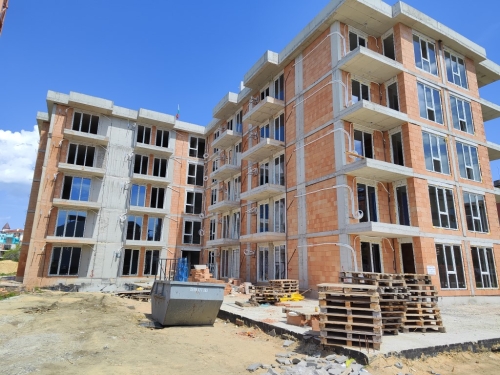
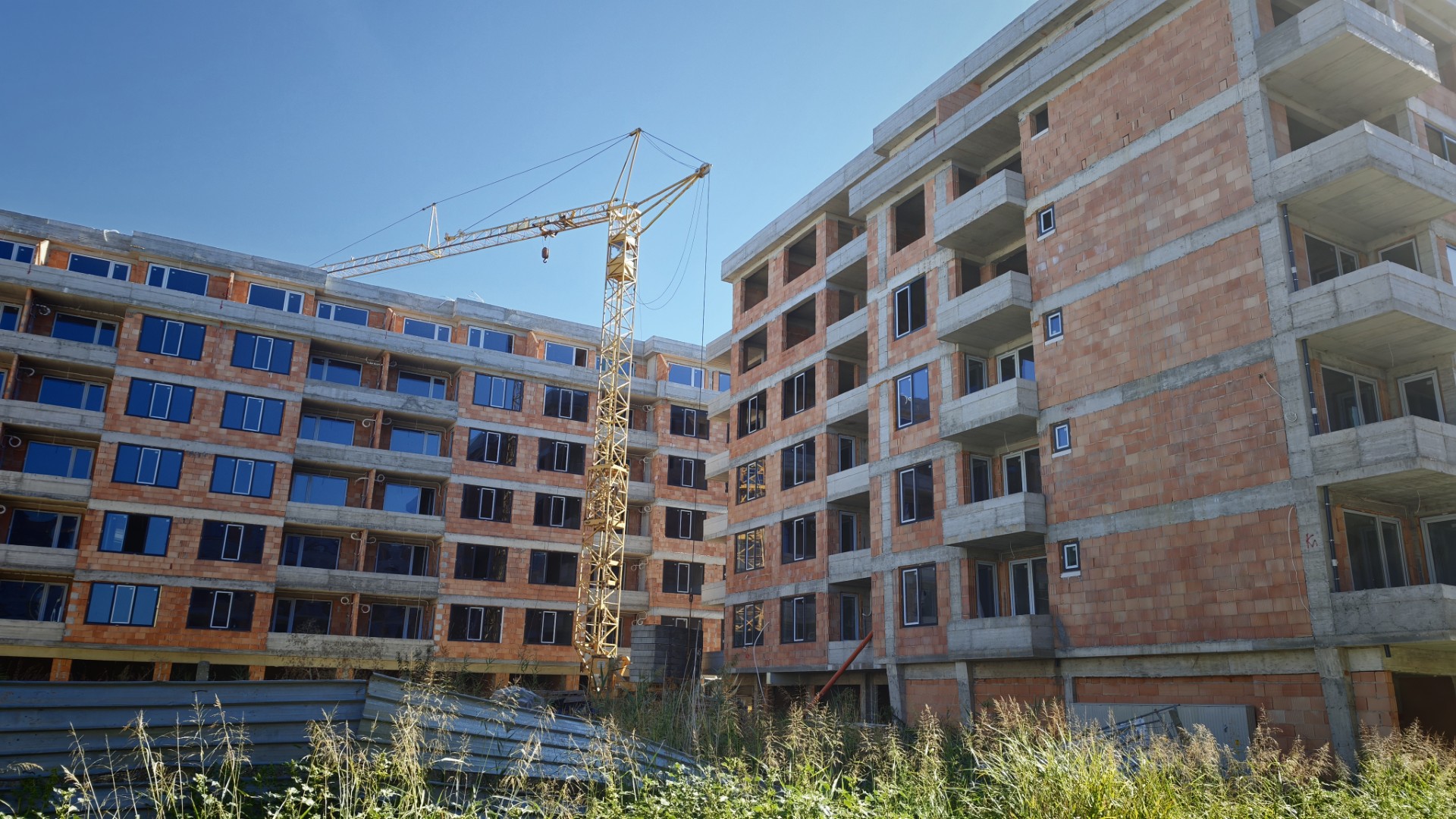
At this stage, the main structural works have been completed, but the building itself is not yet finished.
Work may still continue on the façade, utility systems, lifts, common areas, apartment finishes and landscaping.
Act 14 is drawn up and signed by the relevant construction professionals, including the structural designer, the contractor and the construction supervision specialist responsible for the structural works.
For a buyer, the key point is simple: Act 14 is an important construction milestone, but it does not mean that the building is complete or approved for use.
What is Act 15?
Act 15 confirms that construction is substantially complete and that the building is ready to enter the commissioning process.
At this stage, the completed construction is checked against the approved designs, construction documentation and applicable technical requirements. Any outstanding or incorrectly completed works may also be recorded and must be rectified.
Act 15 is signed by the parties involved in the construction process, including the contracting party, designers, contractor and construction supervisor.
It is important to understand that:
Act 15 does not mean that the building has already been officially commissioned.
What is commonly referred to as Act 16?
On the Bulgarian property market, “Act 16” is commonly used to mean that: the building has been officially commissioned and approved for use.
The exact final document depends on the category of the building.
For some types of construction, the final document is a Permit for Use („Разрешение за ползване“).
For others, including many residential buildings, it is a Commissioning Certificate („Удостоверение за въвеждане в експлоатация“).
For a property buyer, the practical meaning is the same: the official commissioning procedure has been completed and the building is legally approved for use.
This is why property advertisements often simply state that a building “has Act 16”, even when the official document has a different formal name.
Who issues the final commissioning document?
The procedure depends on the category of the building.
For Category I–III construction, a State Acceptance Commission prepares the relevant Act 16 protocol, after which the National Construction Control Directorate issues a Permit for Use („Разрешение за ползване“).
For Category IV–V construction, a separate Act 16 protocol is not issued. Instead, the competent authority issues a Commissioning Certificate („Удостоверение за въвеждане в експлоатация“).
Buyers do not normally need to remember the different construction categories. What matters is to establish whether the particular building has been officially commissioned and which document confirms this status.
What document does the buyer receive?
The commissioning document relates to the entire building and is not issued separately for each individual apartment. For this reason, when purchasing a property, the buyer is normally provided with a copy of the Permit for Use or the Commissioning Certificate, rather than the building’s original document.
An official copy of the document, together with the related administrative file, is kept by the competent authority. Therefore, receiving a copy is standard practice and does not in itself cast doubt on whether the building has been officially commissioned.
Can you buy an apartment before Act 16?
Yes.
Act 16 relates to the official commissioning of the building, not to ownership of an individual apartment.
It is therefore possible to become the legal owner of an apartment before the building has Act 16.
This is a normal situation when buying property in a new development that is still under construction or awaiting final commissioning.
The statements: “the buyer already owns the apartment”
and “the building already has Act 16”
refer to two different things.
A buyer may already legally own an apartment while the procedure for officially commissioning the entire building is still in progress.
Why might a completed new building not have Act 16 yet?
The physical completion of construction and the official commissioning of a building do not happen on the same day.
Once construction work is finished, an administrative procedure still has to be completed and the required documentation must be prepared and submitted.
Depending on the building, this may include:
Act 15;
the final report from construction supervision;
cadastral documentation;
the building’s technical passport;
documents relating to connections to utility and infrastructure networks;
the energy performance certificate for the new building;
other inspections and documents required for official commissioning.
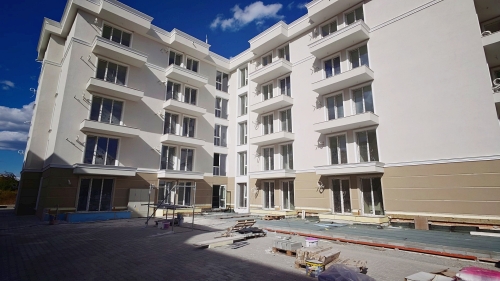
For this reason, it is completely normal for a recently completed new-build property to look finished while the final commissioning document is still being processed.
This does not automatically indicate a problem.
The situation is different when a building was completed many years ago but still has no document confirming that it has been officially commissioned. In such cases, the reason for the missing Act 16 should be carefully investigated before purchasing the property.
Act 14, Act 15 and Act 16 in brief
Act 14 — the building’s structure has been completed and formally accepted, while construction work continues.
Act 15 — construction is substantially complete and the building is ready to enter the commissioning process.
Act 16 — the commonly used market term for the final stage when the building has been officially commissioned and approved for use.
It is important to remember that ownership of an apartment and the official commissioning of the building are two separate legal matters.
When buying a new-build property in Bulgaria, it is important to understand the current construction stage, the legal status of the property and the documents relevant to the transaction.