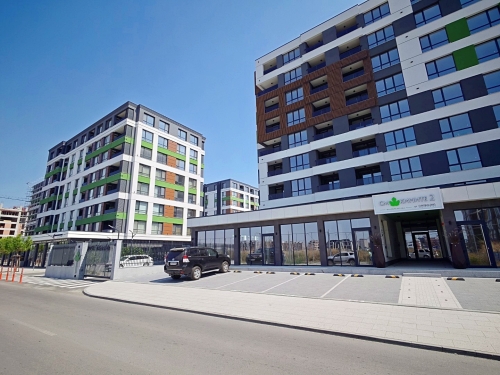
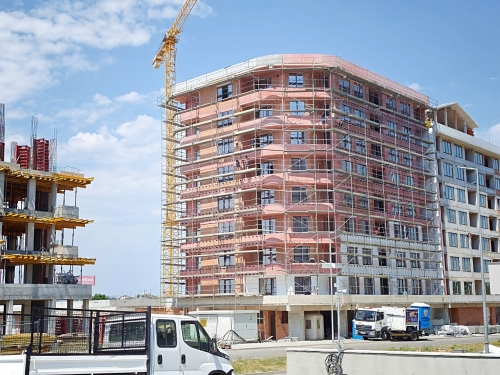
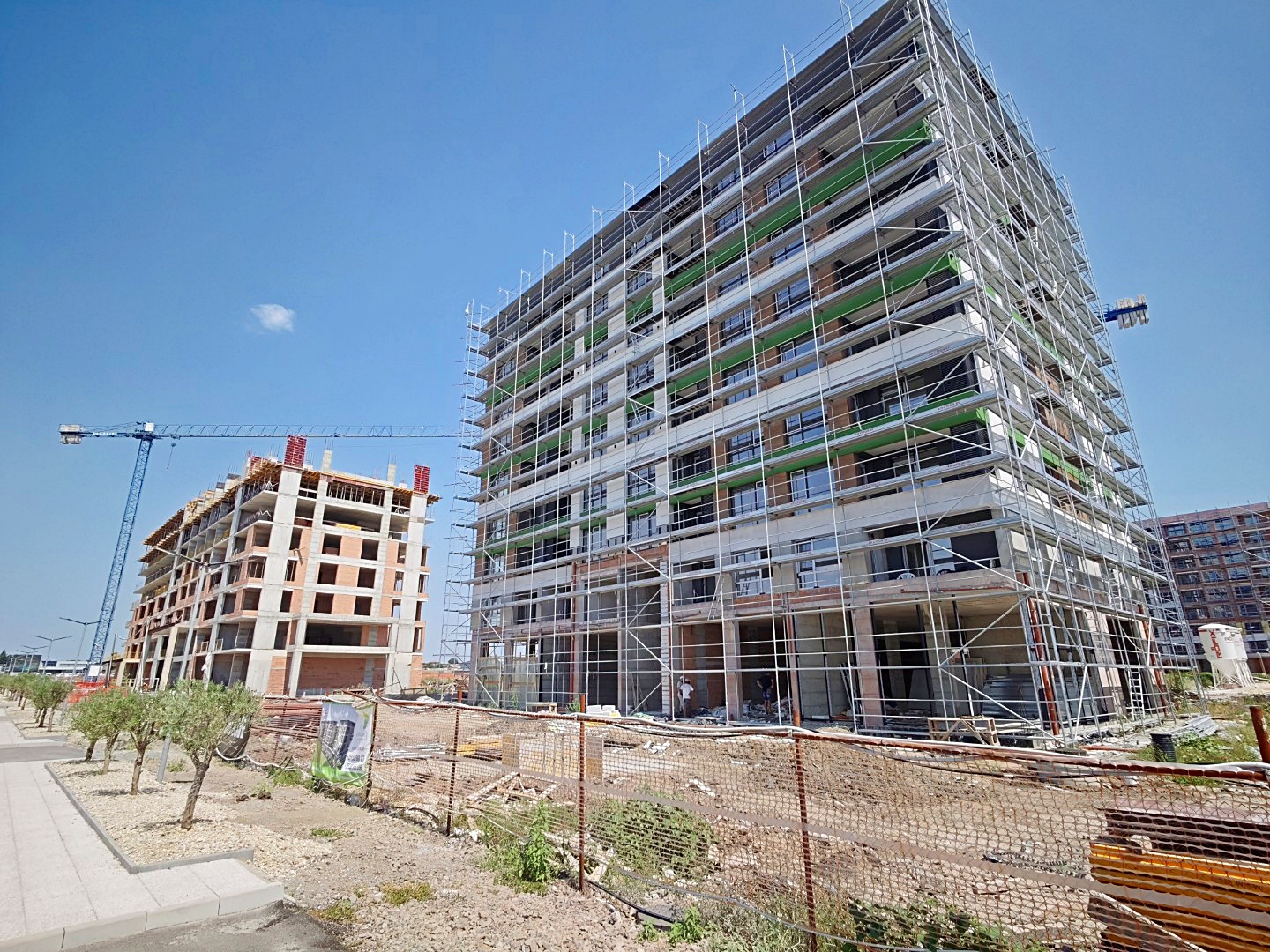
When buying property in Bulgaria, most people focus on location, size, layout and price. Yet the quality of the building itself is just as important. How was it constructed? What materials were used? How well is it protected against moisture, heat loss and noise?
Two new apartment buildings may look almost identical, with similar layouts, attractive façades and comparable prices per square metre. Behind the finished interiors, however, there can be significant differences in construction methods, insulation, waterproofing and workmanship.
Understanding these differences can help buyers make better-informed decisions and avoid unexpected maintenance costs.
This guide explains how residential buildings are constructed in Bulgaria, which materials and building standards are commonly used, and what to check when buying a property, particularly along the Bulgarian Black Sea coast.
How Are Modern Residential Buildings Constructed in Bulgaria?
One of the most common construction methods used for modern apartment buildings in Bulgaria is a reinforced concrete structure with brick infill walls.
The main structure typically consists of reinforced concrete columns, beams, floor slabs and, depending on the design, load-bearing concrete walls. Together, these elements support the building and provide its structural stability.
Brickwork generally serves a different purpose. External brick walls enclose the building, while internal walls divide apartments and individual rooms.
This is an important distinction. When a property is advertised as having brick construction, it does not necessarily mean that the brick walls support the building. In many modern developments, the main structural loads are carried by reinforced concrete.
What Happens Before Construction Begins?
A building project starts well before the foundations are laid.
Geotechnical investigations are carried out to assess soil conditions, groundwater and other characteristics of the site. Structural engineers then use this information, together with the building design and calculated loads, to determine an appropriate foundation system.
This is particularly important on sloping sites, land with challenging ground conditions or plots where groundwater requires special consideration.
Once the foundations are completed, construction progresses through the structural frame, brickwork, building services, windows, insulation, roofing and external finishes.
Each stage involves different materials and specialist work. The quality of a building depends not only on the chosen construction method, but also on how accurately and consistently the work is carried out.
Even high-quality materials can perform poorly if there are mistakes in concrete placement, brickwork, waterproofing or installation.
Building Materials: What Makes the Difference?
Brickwork and Internal Walls
Large-format hollow clay blocks are widely used in modern residential construction in Bulgaria.
Their internal cavities reduce the weight of the blocks and contribute to their thermal properties. Aerated concrete blocks and other approved building materials may also be used, depending on the project.
No single wall material is automatically the best choice for every building.
What matters is how the material performs in its intended application, including its strength, thermal properties, acoustic performance and compatibility with the overall design.
Sound insulation is a particularly useful example.
A wall separating two apartments needs to provide adequate protection against noise. However, its acoustic performance depends on the complete wall assembly, not simply whether it is made of brick.
Wall thickness, density, workmanship and the connections between walls and floors all play a part. A brick partition does not automatically guarantee good sound insulation between neighbouring apartments.
This can be especially relevant in larger apartment buildings and holiday developments, where noise from neighbouring properties may affect everyday comfort.
Thermal Insulation and External Walls
External thermal insulation systems are commonly used on residential buildings throughout Bulgaria.
These systems generally consist of insulation boards, adhesives and mechanical fixings, a reinforced base coat and a protective decorative finish.
Two frequently used insulation materials are:
Expanded polystyrene (EPS): widely used for external wall insulation because of its thermal performance and relatively low weight.
Mineral wool: provides thermal insulation, offers sound-absorbing properties and has good fire-resistance characteristics.
Other specialist insulation materials may be specified for parts of the building exposed to higher moisture levels or mechanical loads.
The effectiveness of an insulation system depends on several factors, including material properties, thickness, installation quality and the design of the entire external wall.
One issue worth understanding is thermal bridging.
A thermal bridge is an area where heat transfers more easily through the building envelope than through the surrounding construction. Common locations include balconies, window openings and junctions between walls and floor slabs.
If an internal surface becomes sufficiently cold, moisture in the air may condense on it. Under suitable conditions, persistent condensation can encourage mould growth.
This explains why an apartment may experience damp patches or mould even when the building has external insulation.
The insulation material may be perfectly suitable, but gaps, poorly designed junctions or installation defects can reduce the effectiveness of the system.
Windows and Glazing
Modern Bulgarian residential buildings commonly use uPVC or aluminium window systems with different types of insulated glazing.
When assessing window quality, buyers should consider several factors:
thermal performance and energy efficiency;
sound insulation;
airtightness and weather resistance;
the quality of fittings and seals;
installation and sealing around the window frame.
Large panoramic windows can be an attractive feature, particularly in apartments with sea views.
However, extensive glazing can also increase solar heat gain during the summer, especially in south- and west-facing properties.
Glazing specifications, shading and the orientation of the apartment all affect indoor comfort.
It is also worth remembering that a well-made window can still cause problems if it has been installed incorrectly. Poor sealing around the frame may result in draughts, water penetration or damp patches.
Structural Safety and Construction Standards in Bulgaria
Bulgaria has building regulations that address structural stability, construction safety and seismic design.
Earthquake resistance is an important consideration in structural engineering. Buildings must be designed for the relevant seismic actions and other loads under the applicable technical requirements, including the European structural design standards known as Eurocodes.
Engineers consider the characteristics of the site, the structural system, the intended use of the building and the forces it may need to withstand.
However, the presence of a reinforced concrete structure does not automatically prove that a building is earthquake-resistant or free from structural defects.
Structural safety depends on appropriate engineering design, suitable materials and compliance with the approved plans throughout construction.
Who Is Responsible for Construction Quality?
Construction in Bulgaria involves several parties with different responsibilities.
The design team prepares the architectural, structural and technical documentation. The building contractor is responsible for carrying out the work in accordance with the approved plans and applicable requirements.
A technical site manager oversees the organisation and execution of construction work within their statutory responsibilities.
For projects where it is legally required, an independent construction supervision consultant performs specific checks relating to compliance, documentation and the construction process.
Official records and inspection documents are prepared at various stages of construction. Public authorities also exercise the controls provided for by law.
This does not mean that a government inspector personally checks every construction activity on a daily basis.
There are specific technical requirements for the execution, inspection and acceptance of reinforced concrete work, as well as other construction activities. Approvals, inspection records and supervision are important safeguards, but they cannot guarantee that every concealed defect has been identified.
This is why documentation and the physical condition of a building should both be considered when purchasing property.
Building Property on the Bulgarian Black Sea Coast
Coastal properties face environmental conditions that can affect certain construction materials and building components over time.
Moisture, wind-driven rain and salt-laden air are particularly relevant for properties situated close to the sea.
However, a beachfront building and a property several kilometres inland may be exposed to very different conditions.
The actual location, orientation, design and materials all matter.
Waterproofing: Roofs, Balconies and Terraces
Waterproofing is one of the most important considerations in coastal residential construction.
Flat roofs, roof terraces, open balconies and underground structures require appropriate protection against water penetration.
A terrace may appear perfectly finished, with attractive tiles, neat joints and modern railings.
But ceramic tiles and grout are not a substitute for a properly designed waterproofing system.
Effective waterproofing also depends on adequate drainage falls, outlets and carefully constructed junctions around walls, doors and other details.
When these elements fail, water may enter the structure and damage the rooms below.
For example, a beautifully renovated apartment with expensive furniture may still suffer water damage if an exposed terrace directly above it has defective waterproofing.
For this reason, buyers considering a top-floor apartment or a property beneath a large open terrace should pay particular attention to the condition of the roof and any history of leaks.
Salt Air and Corrosion
The marine environment can accelerate corrosion of exposed metal components, particularly where suitable protection has not been provided or maintained.
Balcony railings, fixings, external steel elements and certain types of equipment may require special attention.
Exposure to coastal conditions also needs to be considered when specifying materials and protective measures for reinforced concrete structures.
However, rust on a balcony railing does not automatically indicate damage to the building's load-bearing structure.
These are different issues and should be assessed separately.
Damp, Condensation and Mould
Damp is a concern that frequently arises when viewing coastal apartments.
The source of moisture is not always a construction defect.
Possible causes include inadequate ventilation, condensation on cold surfaces, plumbing leaks, water penetration or a combination of several factors.
The problem can be more noticeable in holiday apartments that remain closed for long periods outside the summer season.
For example, an apartment that is rarely ventilated during winter may develop condensation even when there is no leak from the roof or external walls.
Before carrying out repairs, it is important to establish the actual source of the moisture.
Repainting an affected wall may improve its appearance temporarily, but it will not solve the underlying problem.
Building Services and Year-Round Use
A well-constructed building needs more than a sound structure and an attractive exterior.
Its water supply, wastewater drainage, electrical installations, ventilation and rainwater management systems all contribute to the property's safety, reliability and usability.
For buildings with underground parking or rooms below the surrounding ground level, suitable waterproofing and drainage arrangements are particularly important.
Depending on local topography and the location of the public sewer network, pumping systems may be required to remove wastewater.
For buyers, it is useful to understand which systems are installed, whether the required connections are in place and who is responsible for maintaining shared equipment.
Are Holiday Complexes Built Differently from Residential Buildings?
A holiday apartment complex is not necessarily built to a lower standard than a conventional residential building.
Many coastal developments use the same basic structural methods and building materials as ordinary apartment buildings.
The differences may lie in the building's legally approved use, layout, facilities, engineering systems and management arrangements.
A large holiday complex may include swimming pools, lifts, landscaped gardens, underground parking and other shared facilities that require regular maintenance.
These features can make a development attractive, but they also introduce additional operating responsibilities and costs.
For anyone planning to live in Bulgaria throughout the year, it is worth checking how the building functions outside the tourist season.
Heating, ventilation, water supply, access, security and maintenance arrangements may all affect its suitability for permanent use. Construction quality, the building's legal designation and the standard of ongoing maintenance are three separate matters.
A well-built property can deteriorate if essential maintenance is neglected, just as an older building can remain in excellent condition when properly managed.
How Can You Check Construction Quality Before Buying?
One of the main challenges for property buyers is that much of a building's construction is hidden once the work is finished.
A viewing may reveal the condition of the walls, floors, windows and communal areas, but it cannot establish whether concealed reinforcement, concrete work or waterproofing was installed correctly.
A useful assessment therefore combines documentation, a physical inspection and, where necessary, independent professional advice.
Buying an Off-Plan or Newly Built Property
If you are buying an off-plan property or an apartment in a building still under construction, ask the developer for the available technical specifications.
Useful questions include:
What structural system is used, and what materials are specified for external and internal walls?
What external insulation and glazing systems are planned?
How are the roof, terraces and underground areas waterproofed?
What water, drainage and electrical connections are included?
Who is carrying out the construction, and which supervision arrangements apply?
What construction approvals and stage-completion documents are available?
It is also important to distinguish between a technical specification and a marketing description.
Expressions such as "premium construction", "high-quality materials" or "built to European standards" provide little useful information unless they are supported by specific details.
Where building materials and finishes form part of the purchase agreement, the agreed specification should be clearly documented.
Buying a Resale Apartment
An existing building offers a different advantage: buyers can assess how it has performed over time.
During a viewing, look beyond the apartment itself.
Pay attention to the external walls, communal areas, stairwells, accessible roof areas, balconies, basements and underground parking facilities.
Visible damp patches, damaged plaster, corrosion, cracks or signs of repeated leaks may justify further investigation.
Not every defect is serious, however.
A small crack in a plaster finish is not the same as damage to a load-bearing structural element. Similarly, a damp patch may have several possible causes. A visual inspection can reveal warning signs, but it cannot reliably determine the severity or cause of every building defect.
If there are concerns about structural movement, serious moisture problems or the condition of major building components, an independent qualified building professional or structural engineer should be consulted.
Understanding Act 16 and Occupancy Documents
When purchasing property in Bulgaria, buyers will frequently encounter the expression "Act 16".
In property advertisements, this term is often used as shorthand to indicate that a building has completed the relevant process for being brought into use.
However, the legal documentation depends on the category of construction.
For buildings in categories I, II and III, the applicable process results in a permit for use (Разрешение за ползване).
For buildings in categories IV and V, the relevant document is a certificate of commissioning (Удостоверение за въвеждане в експлоатация).
Act 16 itself is a construction acceptance protocol used in the applicable procedure and should not automatically be treated as the final occupancy document for every type of building.
Buyers should therefore establish which official document has been issued for the particular property, rather than relying solely on the wording of an advertisement.
A building's formal approval for use is important, but it does not replace an assessment of its actual technical condition.
What Construction Warranties Apply in Bulgaria?
Bulgarian legislation establishes minimum warranty periods for certain categories of construction and installation work.
These are regulated by Ordinance No. 2 of 31 July 2003, as subsequently amended.
For residential buildings, some of the most relevant minimum periods include:
10 years for new structural elements of buildings, including their foundations.
7 years for waterproofing, thermal insulation, sound insulation and anti-corrosion works in non-aggressive environments.
5 years for the corresponding insulation and protective works in aggressive environments.
7 years for internal building service installations.
5 years for other construction, installation and finishing works within the relevant statutory category.
These are statutory minimum periods for the specified types of work. Longer warranties may be agreed between the construction client and the contractor.
An important point is that the statutory construction warranty periods run from the official commissioning of the building, not from the date an individual apartment is purchased.
The existence of a construction warranty also does not mean that every subsequent defect will automatically be repaired without charge.
Responsibility, available remedies and the procedure for making a claim depend on the nature of the defect and the relevant legal and contractual relationships.
In particular, warranties governing the relationship between the construction client and contractor should not automatically be assumed to give every subsequent property purchaser identical direct rights.
When purchasing a newly completed or resale property, it is worth asking what warranty documentation is available and what arrangements apply if defects are discovered.
What Really Determines the Quality of a Building?
Good construction quality is not defined by a single expensive material, a modern façade or an impressive specification.
It comes from the combination of appropriate design, suitable materials, skilled workmanship, proper construction control and ongoing maintenance.
The age of a building is not a reliable measure of quality on its own.
Some older apartment buildings remain in very good condition after many years of use, while defects can occasionally appear in relatively new developments.
A freshly renovated interior can make a property more appealing, but it does not necessarily tell the buyer much about the roof, waterproofing, structural condition or shared installations. When buying an apartment in Bulgaria, it is worth evaluating the entire building, not just the property behind the front door.
Understanding how a building was constructed, how it has been maintained and what documentation is available can help you assess its long-term value, future maintenance costs and suitability for your needs — especially when buying property on the Bulgarian Black Sea coast.
Send an Inquiry
Thank You for contacting us! We will contact you as soon as possible!