Home»Information»Important Property Information»Heating in Bulgaria: What Buyers Need to Know About Coastal Apartments and Houses
Heating in Bulgaria: What Buyers Need to Know About Coastal Apartments and Houses
One of the questions international buyers often ask is how apartments and houses in Bulgaria are heated and how hot water is provided.
The answer may be different from what buyers are used to in their home country.
Along Bulgaria’s southern Black Sea coast, most properties have their own heating system rather than relying on a central system for the whole building.
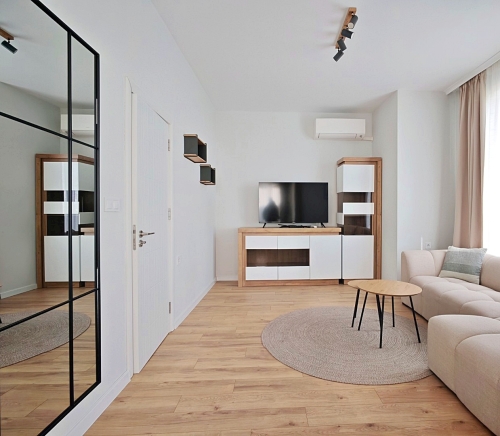
In apartments, the most common arrangement is heating and cooling with air-conditioning units, while hot water is usually provided by an individual electric water heater.
Most apartments on Bulgaria’s southern Black Sea coast are heated with inverter air conditioners, while hot water is usually provided by an electric water heater.
Central heating and centrally supplied hot water are available in some buildings in Burgas, but they are not the usual standard along the coast.
Houses offer a wider range of options, including heat pumps, underfloor heating, air conditioning, wood or pellet heating and, in some cases, gas.
In our experience with properties in Burgas and along the southern Black Sea coast, inverter air conditioners are the most common form of apartment heating.
Winters on the southern coast are relatively mild, which is one reason this solution is so widely used.
Modern high-quality inverter units can provide efficient heating during winter and cooling during summer. In heating mode, they work on the same basic principle as an air-to-air heat pump.
So if an apartment has no radiators, this does not mean it cannot be comfortably heated in winter.
In this part of Bulgaria, good-quality air conditioning is a normal solution for both holiday homes and many properties used throughout the year.
New developments may also offer other systems.
Some projects include underfloor heating, heat pumps, fan coil units or a combination of different systems.
If underfloor heating is included, it is worth checking exactly what type of system has been installed. It may be electric or water-based, and a water-based system may be connected to a heat pump, boiler or another heat source.
The same applies to air-conditioning units.
In one development they may already be installed and included in the purchase price. In another, only the necessary connections may be provided, with the buyer arranging the units later.
This is why the exact specification of a new-build property matters.
In most apartments along the southern Black Sea coast, hot water is not supplied centrally.
The usual solution is an individual electric water heater installed inside the apartment.
A typical coastal arrangement is therefore:
air conditioning – heating in winter and cooling in summer;
electric water heater – domestic hot water.
Some buildings in Burgas are connected to the city district-heating network and may receive both central heating and centrally supplied hot water.
This is found mainly in certain parts of the city and in the existing housing stock, although there are also individual newer buildings with similar systems.
Across the southern Black Sea coast as a whole, however, central heating and central hot water should not be assumed when buying a property.
With a house, the heating system becomes a much more important part of the property itself.
Modern houses increasingly use heat pumps, often combined with water-based underfloor heating, radiators or fan coil units.
Other properties may use wood- or pellet-burning stoves, fireplaces or boilers, including systems connected to radiators throughout the house.
Combined solutions are also common. A house may, for example, have a main heating system together with air-conditioning units in individual rooms.
Many houses on the coast are also heated entirely with air conditioners. Given the relatively mild local winters, this can be a practical solution when it suits the size, layout and characteristics of the property.
Individual gas boilers can be found in some homes and may provide both heating and hot water. Gas infrastructure exists in parts of the region, but gas heating is not the standard solution for coastal properties, so availability must always be checked for the specific property.
Electric boilers and other individual systems can also be found.
When buying a house, it is therefore not enough simply to ask “What type of heating does it have?”
The existing heating system should be considered as one of the characteristics of the property itself.
How the property will be used also matters.
For an apartment used mainly during the summer, with only occasional winter stays, heating may be a relatively simple consideration.
For a property intended as a permanent or year-round home, the heating system and the way hot water is provided become a more important part of the buying decision.
There is an additional point to consider when buying in a holiday complex.
If the property will be used throughout the year, it is worth checking not only how the apartment itself is heated but also how the building and the complex operate outside the main summer season.
Conditions can vary considerably even between nearby developments, so the individual property and building should always be assessed rather than relying on general assumptions about coastal property in Bulgaria.
Once a buyer is interested in a particular apartment or house, we clarify how the property is heated and how hot water is provided.
For new-build properties, we also check exactly what is included in the purchase price – whether air-conditioning units, underfloor heating or another system are already installed, whether only the necessary connections are provided, or whether the buyer will need to arrange the equipment separately.
For houses, the existing heating system is considered as one of the important characteristics of the property itself.
If the property is intended for year-round use, we also look at whether the building or residential complex is suitable for living outside the summer season.
The main point is simple:
In an apartment on Bulgaria’s southern Black Sea coast, heating with air conditioning and hot water from an electric water heater is completely normal.
With houses, there are many more possibilities, and the heating system should be assessed as part of the property when making a buying decision.
The answer may be different from what buyers are used to in their home country.
Along Bulgaria’s southern Black Sea coast, most properties have their own heating system rather than relying on a central system for the whole building.
In apartments, the most common arrangement is heating and cooling with air-conditioning units, while hot water is usually provided by an individual electric water heater.
In short
Most apartments on Bulgaria’s southern Black Sea coast are heated with inverter air conditioners, while hot water is usually provided by an electric water heater.
Central heating and centrally supplied hot water are available in some buildings in Burgas, but they are not the usual standard along the coast.
Houses offer a wider range of options, including heat pumps, underfloor heating, air conditioning, wood or pellet heating and, in some cases, gas.
How are apartments by the sea usually heated?
In our experience with properties in Burgas and along the southern Black Sea coast, inverter air conditioners are the most common form of apartment heating.
Winters on the southern coast are relatively mild, which is one reason this solution is so widely used.
Modern high-quality inverter units can provide efficient heating during winter and cooling during summer. In heating mode, they work on the same basic principle as an air-to-air heat pump.
So if an apartment has no radiators, this does not mean it cannot be comfortably heated in winter.
In this part of Bulgaria, good-quality air conditioning is a normal solution for both holiday homes and many properties used throughout the year.
New developments may also offer other systems.
Some projects include underfloor heating, heat pumps, fan coil units or a combination of different systems.
If underfloor heating is included, it is worth checking exactly what type of system has been installed. It may be electric or water-based, and a water-based system may be connected to a heat pump, boiler or another heat source.
The same applies to air-conditioning units.
In one development they may already be installed and included in the purchase price. In another, only the necessary connections may be provided, with the buyer arranging the units later.
This is why the exact specification of a new-build property matters.
How is hot water provided?
In most apartments along the southern Black Sea coast, hot water is not supplied centrally.
The usual solution is an individual electric water heater installed inside the apartment.
A typical coastal arrangement is therefore:
air conditioning – heating in winter and cooling in summer;
electric water heater – domestic hot water.
Some buildings in Burgas are connected to the city district-heating network and may receive both central heating and centrally supplied hot water.
This is found mainly in certain parts of the city and in the existing housing stock, although there are also individual newer buildings with similar systems.
Across the southern Black Sea coast as a whole, however, central heating and central hot water should not be assumed when buying a property.
Heating a house is different
With a house, the heating system becomes a much more important part of the property itself.
Modern houses increasingly use heat pumps, often combined with water-based underfloor heating, radiators or fan coil units.
Other properties may use wood- or pellet-burning stoves, fireplaces or boilers, including systems connected to radiators throughout the house.
Combined solutions are also common. A house may, for example, have a main heating system together with air-conditioning units in individual rooms.
Many houses on the coast are also heated entirely with air conditioners. Given the relatively mild local winters, this can be a practical solution when it suits the size, layout and characteristics of the property.
Individual gas boilers can be found in some homes and may provide both heating and hot water. Gas infrastructure exists in parts of the region, but gas heating is not the standard solution for coastal properties, so availability must always be checked for the specific property.
Electric boilers and other individual systems can also be found.
When buying a house, it is therefore not enough simply to ask “What type of heating does it have?”
The existing heating system should be considered as one of the characteristics of the property itself.
Holiday property or year-round home?
How the property will be used also matters.
For an apartment used mainly during the summer, with only occasional winter stays, heating may be a relatively simple consideration.
For a property intended as a permanent or year-round home, the heating system and the way hot water is provided become a more important part of the buying decision.
There is an additional point to consider when buying in a holiday complex.
If the property will be used throughout the year, it is worth checking not only how the apartment itself is heated but also how the building and the complex operate outside the main summer season.
Conditions can vary considerably even between nearby developments, so the individual property and building should always be assessed rather than relying on general assumptions about coastal property in Bulgaria.
What we check for a specific property
Once a buyer is interested in a particular apartment or house, we clarify how the property is heated and how hot water is provided.
For new-build properties, we also check exactly what is included in the purchase price – whether air-conditioning units, underfloor heating or another system are already installed, whether only the necessary connections are provided, or whether the buyer will need to arrange the equipment separately.
For houses, the existing heating system is considered as one of the important characteristics of the property itself.
If the property is intended for year-round use, we also look at whether the building or residential complex is suitable for living outside the summer season.
The main point is simple:
In an apartment on Bulgaria’s southern Black Sea coast, heating with air conditioning and hot water from an electric water heater is completely normal.
With houses, there are many more possibilities, and the heating system should be assessed as part of the property when making a buying decision.
Send an Inquiry
Thank You for contacting us! We will contact you as soon as possible!