When comparing properties, buyers often start with two figures: the total asking price and the price per square metre.
Both are useful, but neither tells the whole story.
Two apartments of the same size, in the same area and even in the same building can have different prices. Property prices are shaped by a combination of factors, including location, building quality, floor level, views, layout, condition, stage of construction and current demand for similar properties.
In our work along Bulgaria’s southern Black Sea coast, we regularly see significant price differences between properties that look very similar on paper but differ in view, floor, layout, building quality or exact location.
This is why a property should always be considered as a whole rather than judged by one figure alone.
Location means more than the name of the town or resort
Burgas, Sarafovo, Pomorie, Nessebar, Ravda, Sunny Beach, Sozopol or Sveti Vlas give a general idea of location, but prices can vary considerably within the same area.
For coastal property, the exact position matters.
Distance and access to the beach, surrounding development, transport, local amenities and whether the area works well throughout the year can all influence demand and price.
Even two neighbouring buildings may have noticeably different values because of their exact location and surroundings.
Beachfront, seafront and sea views can make a major difference
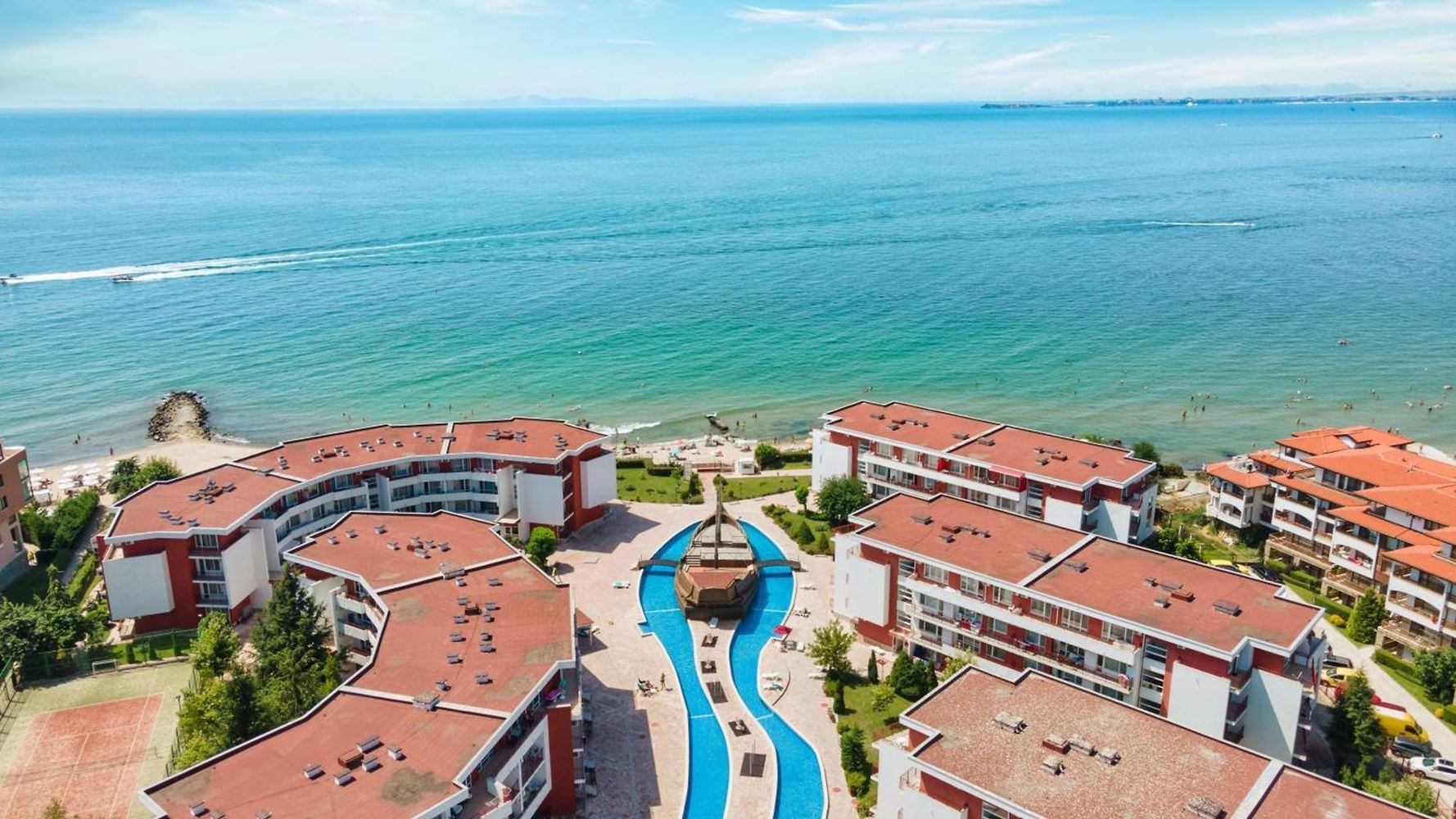
For property on Bulgaria’s Black Sea coast, a genuine beachfront or seafront position and a good sea view are among the strongest factors affecting price.
But not all sea views are equal.
A partial glimpse of the sea between neighbouring buildings cannot be compared with an open panoramic view from the living room and terrace.
Floor level, orientation and the rooms from which the sea can actually be seen all matter. It is also worth considering whether the view is likely to remain open or could potentially be affected by future development.
The same applies to beachfront or seafront property. Value depends not only on being close to the coast, but also on actual access to the beach, the position of the building and the quality of the immediate location.
So a listing that simply says “sea view”, “beachfront” or “seafront” does not tell the full story. What matters is what that position genuinely offers in the specific property.
The building and residential complex also affect the price
A buyer is not choosing only an apartment. The building itself is part of the property.
Factors such as the quality and age of construction, the condition of common areas, completion and occupancy status, lifts, parking, grounds, facilities and the way the building or complex is maintained can all affect value.
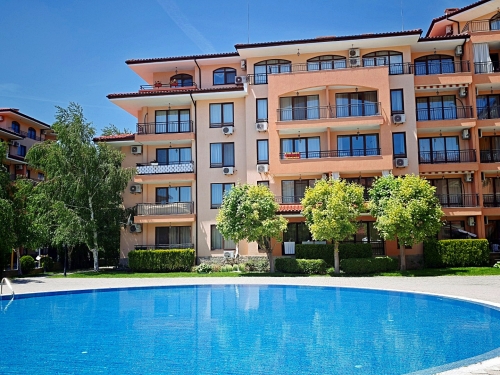
Along the coast, there can be a significant difference between a smaller residential building and a managed complex with swimming pools, landscaped grounds, controlled access and additional facilities.
The level of the annual maintenance fee and what it covers may also affect how attractive a property is to different types of buyers.
This is why two apartments of the same size in neighbouring buildings are not always genuinely comparable.
The apartment itself can change the value considerably
The price of an apartment can be influenced by floor level, orientation, views, layout, terrace, condition, quality of finish and furnishings.
For coastal property, a usable terrace and an open sea view can add considerable appeal.
Layout is equally important.
A smaller apartment with a well-organised layout may be more functional and easier to sell or rent than a larger property where part of the space is poorly used.
Square metres therefore need to be considered together with how effectively the space actually works.
How are prices set in new developments?
In a new-build project, price depends on more than the size of the apartment and the location.
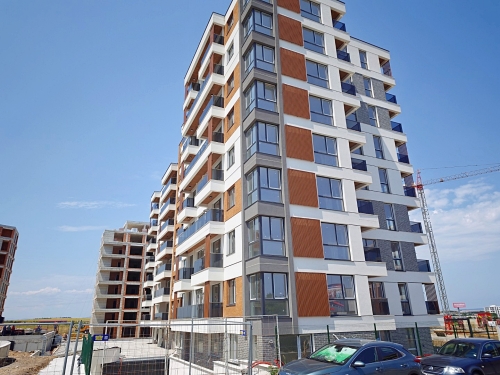
The developer and project, stage of construction, floor, view, position within the building, layout and remaining availability can all influence the price.
At an early stage there is usually a wider choice of floors, orientations and layouts. As construction progresses and fewer units remain available, the developer’s pricing may also change.
However, buying off-plan or at an early stage does not automatically mean that the property will always be at its lowest possible price.
Each development has its own pricing strategy.
For this reason, it is more useful to compare a specific apartment within a specific project than to look only at an average price per square metre.
What matters on the resale market?
On the resale market, it is particularly important to distinguish between the asking price and a realistic market level for the property.
The price shown in a listing is the price at which the property is being offered – it is not a confirmed sale price.
Looking only at published listings can therefore give a misleading impression of the market.
A meaningful comparison requires genuinely comparable properties: similar location, building type, size, floor, view, condition, layout and other relevant characteristics.
This is especially important for owners planning to sell.
Choosing a selling price only by looking at the highest asking prices for similar properties – or by relying on what the property cost several years ago – may lead to an unrealistic starting point.
The market evaluates the property as it is today and against the properties competing for the same buyers now.
Why price per square metre does not tell the whole story
Price per square metre is useful for an initial comparison, but it cannot determine whether a particular property is correctly priced on its own.
An apartment with a higher price per square metre may have a better layout, panoramic sea views, a stronger location or a higher-quality building.
A cheaper property may include space that is less usable or have other characteristics that reduce its appeal.
It is also important to understand which area is being quoted. Depending on the property, listings may refer to net internal area, built-up area or a total area that includes a share of common parts.
Comparing properties only by €/m² can therefore produce the wrong conclusion.
If you are planning to sell a property in Bulgaria
Setting the right asking price is one of the most important decisions at the beginning of a sale.
An asking price that is too high can keep a property on the market for a long time and reduce genuine buyer interest. A price that is too low may leave part of the property’s potential value unrealised.
This can be particularly difficult for owners who live abroad or have not followed the local property market closely for some time.
Online listings are useful as a starting point, but they do not provide the full picture.
A realistic selling price needs to take into account the specific property, the competing properties currently on the market, current supply and the level of demand in that particular segment.
The key point
There is no single formula that determines the price of every property.
Location sets the market context. The building and residential complex influence quality, maintenance and the overall living environment. The property itself adds its own characteristics – floor, view, layout, condition and functionality. The market then determines how much demand there is for that particular combination.
This is why two apartments of the same size can quite reasonably have different prices.
Price per square metre is a useful place to start, but a realistic market position only becomes clear when the property is considered as a whole and in the context of the current market.
Want to understand what your property could realistically sell for?
If you own an apartment or house in Burgas or along Bulgaria’s southern Black Sea coast and are considering selling, contact Royal Homes.
We can review the specific property, its location, building, condition, views, layout and competing listings and help you determine a realistic asking price for the current market.
Send an Inquiry
Thank You for contacting us! We will contact you as soon as possible!